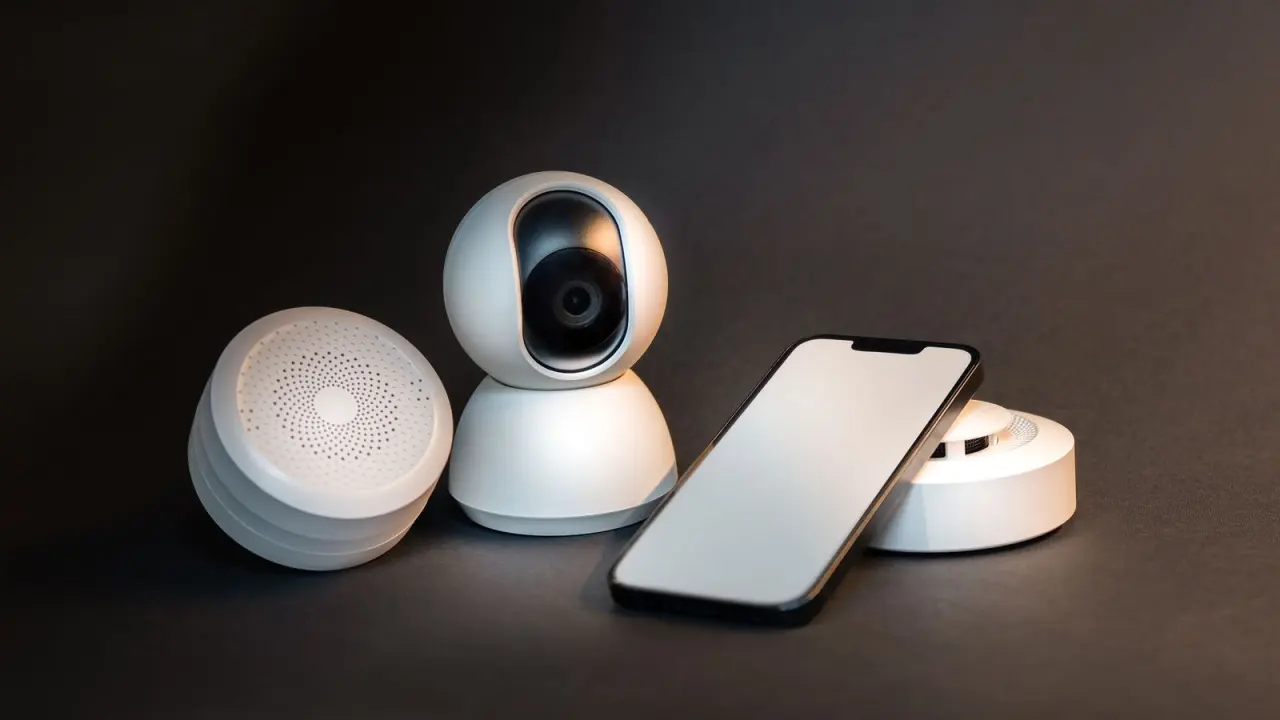
You keep hearing about smart gadgets and wonder what is the internet of things. It is a network of everyday devices, such as sensors, controllers and appliances, that connect to the internet and exchange data.
This topic is one of several covered in our guide to types of technology.
| Item | Value |
|---|---|
| Groups that have tried to characterize the IoT | More than 20 professional and research groups |
| Universally accepted definition | None, per NIST’s July 2016 article (updated February 2025) |
| Fundamentals in NIST’s Network of Things model | Four: sensing, computing, communication and actuation |
| Building blocks (“primitives”) in that model | Five |
| Elements that affect reliability and security | Six |
| Global IoT solutions market prediction | $1.7 trillion by 2020 |
These figures come from NIST’s Network of Things article, and the definitions below come from the NIST glossary entry. Figures and wording can change, so check the source before you rely on them.
A plain-language definition
NIST’s glossary describes the internet of things (IoT) as user or industrial devices that are connected to the internet. It adds that IoT devices include sensors, controllers, and household appliances.
A second glossary definition is more technical. It calls the IoT the network of devices that contain the hardware, software, firmware, and actuators which allow them to connect, interact, and freely exchange data and information.
In everyday terms, a device joins the IoT when it can do these things:
- Sense something about its surroundings, such as movement.
- Connect to a network so it can share what it senses.
- Exchange data and information with other devices.
- Act on a decision through its actuators.
Everyday examples of connected systems
NIST gives a short list of IoT systems that shows how wide the idea is. They range from the home to the power grid:
- A smart electric grid
- A home controlled by sensors
- Self-driving cars
- Smart factories
- Heart health monitors
Notice that some of these sit in your living room and others run entire industries. That is why the glossary definition covers both user devices and industrial devices.
How a simple connected system works
NIST researchers explain the idea with a small home example, which they call a Network of Things. It is programmed to turn off the overhead light if no one is in the living room.
The example breaks into five building blocks, which NIST calls primitives:
- A sensor, here a motion detector, measures physical properties.
- A communications channel transmits the data from the motion sensor to the aggregator.
- An aggregator, which is software, processes the sensor’s raw data into information.
- An external utility, such as a laptop computer, supports the aggregator.
- A decision trigger determines whether or not the light should be turned off.
The model rests on distributed computing, in which networked components share messages about tasks. NIST’s simple example of that older idea is the local area network in an office where computers share a printer.
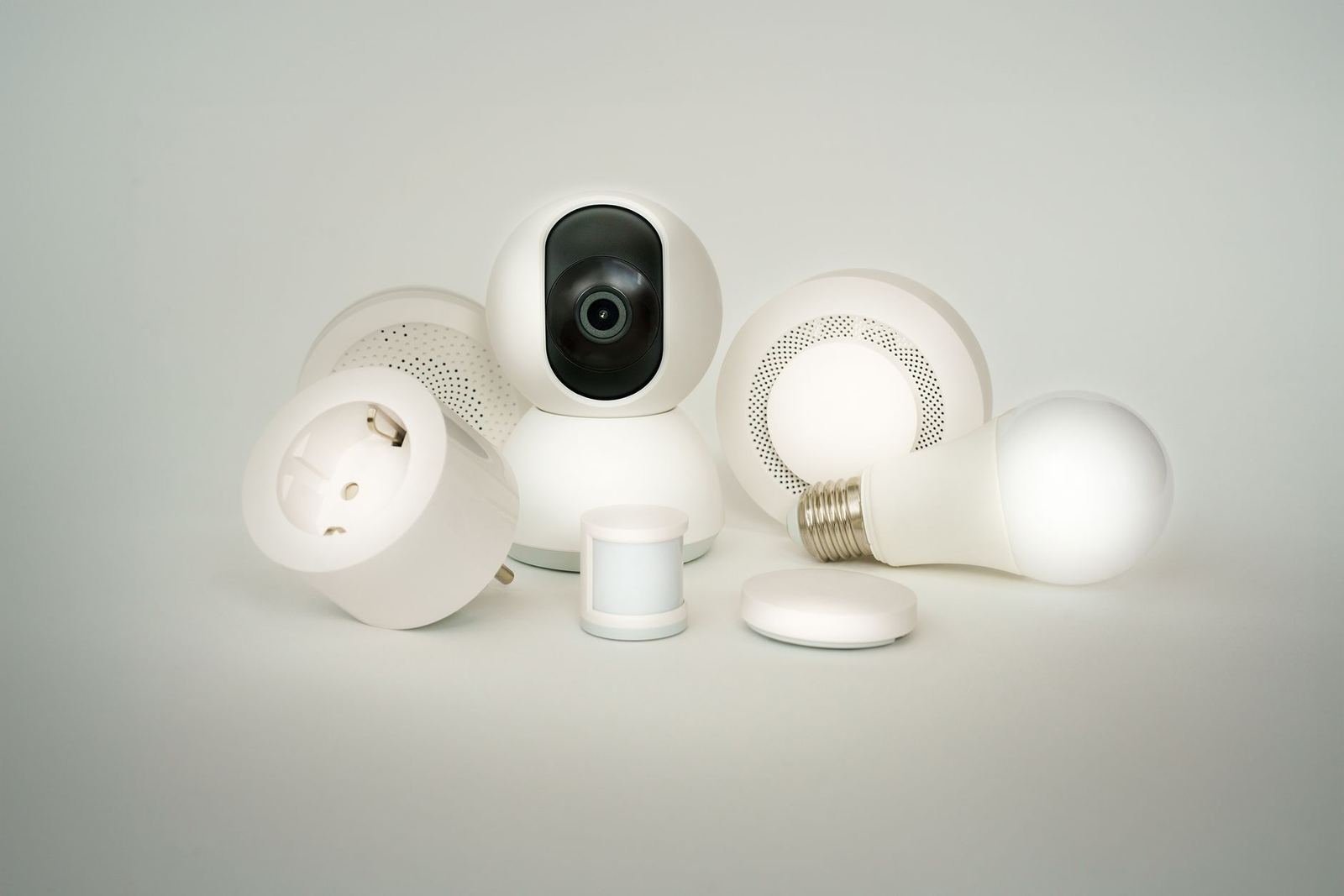
Why is there no single definition?
As of NIST’s July 2016 article (updated February 2025), more than 20 professional and research groups have tried to characterize the IoT, but there is no universally accepted definition. That is why you will see slightly different wording from one source to the next.
NIST computer scientist Jeff Voas concluded that there is no formal, analytic or even descriptive set of building blocks governing how IoT components operate, how trustworthy they are, and how long they last. His model is built on four fundamentals: sensing, computing, communication and actuation.
The same article notes a market prediction. The International Data Corporation predicted that the global market for IoT solutions would grow to $1.7 trillion by 2020.
Security and reliability in connected devices
Connecting a device also adds ways for it to fail or be attacked, so reliability and security are central concerns. NIST’s model includes six elements that play a role in both: environment, cost, geographic location, owner, snapshot-in-time and a unique device ID.
NIST offers two examples of what can go wrong:
- A car’s speed sensor might malfunction after years of exposure to heat and water.
- An attacker might access a smart building’s temperature sensors, which control the temperature of a server room, and physically replace them with inactive ones.
In the second case, the air conditioning in the server room could be turned off, overheating the drives and causing computers to fail. NIST also raises a scalability question: how will big data handle the vast amount of information that the plethora of sensors will produce?
Your devices are only one part of your digital life, so it also helps to learn how to spot phishing emails. If you are curious how small devices stay powered, this explainer on how do batteries work is a useful next read.
Frequently asked questions
What counts as an IoT device?
Show answer
According to NIST’s glossary, IoT devices include sensors, controllers, and household appliances. The devices can be user devices or industrial devices, as long as they are connected to the internet.
Is there one official definition of the IoT?
Show answer
No. NIST’s July 2016 article, updated February 2025, says that more than 20 professional and research groups have worked to characterize the IoT, but there is not one universally accepted definition.
What are the basic ideas behind the IoT?
Show answer
NIST’s Network of Things model is based on four fundamentals: sensing, computing, communication and actuation. Its building blocks include a sensor, a communications channel, an aggregator, an external utility and a decision trigger.
Why does IoT security matter?
Show answer
Because sensors and devices influence real-world systems. NIST’s example describes an attacker replacing a smart building’s temperature sensors with inactive ones, which could lead to an overheated server room and failed computers.