Wondering how all the tech around you fits together? The main types of technology are information technology, AI, communication, cloud, cybersecurity, IoT, blockchain, biotechnology and robotics, each built to solve a different kind of problem.
| Type of technology | Main purpose |
|---|---|
| Information Technology | Manages data and systems |
| Artificial Intelligence | Helps machines learn and decide |
| Communication Technology | Connects people and devices |
| Cloud Computing | Offers computing services online |
| Cybersecurity | Protects systems and data |
| Biotechnology | Uses biology with technology |
These summaries come from the Simplilearn overview of technology types. Categories and examples in this field change quickly, so check the source before you rely on them.
What technology actually means
At its simplest, technology is the collection of tools, methods and systems that people create to solve problems and extend human abilities, according to the RemNote introduction to technology. It is not limited to computers or fancy gadgets. A hand tool counts just as much as an industrial system.
The word itself comes from joining the Greek words technē and logos, as the Jain University guide explains. The same guide defines technology as the application of software, tools and systems to solve human problems and make life more manageable. In its words, this can be either a basic alarm clock or something complex like a programming algorithm.
The key idea is that technology amplifies what people can do. A person with a shovel can dig faster than with bare hands, and a person with a computer can process information far faster than by hand. Technology does not replace human effort entirely.
Why technology gets sorted into types
Technology can be grouped by purpose, and most types work together. Sorting them helps you see which tool fits which job. The Simplilearn overview says this knowledge helps students choose career paths, professionals upskill and businesses decide which tools can solve their problems.
The main groups covered in this guide are:
- Information technology: manages data and systems.
- Artificial intelligence: helps machines learn and decide.
- Communication technology: connects people and devices.
- Cloud computing: offers computing services online.
- Cybersecurity: protects systems and data.
- Internet of Things: connects physical devices to the internet.
- Blockchain: records data securely across networks.
- Biotechnology: uses biology with technology.
- Robotics and automation: performs tasks with machines.

Information, communication and cloud technology
Information technology, or IT, deals with computers, software, networks and data systems, according to Simplilearn. A company uses IT to run employee records, customer databases, accounting systems and internal communication tools. Hospitals use it for patient records and appointment systems.
Typical IT examples include:
- Operating systems like Windows and Linux
- Databases like MySQL and Oracle
- Enterprise software like ERP and CRM platforms
- Helpdesk systems
- Data storage and backup tools
Communication technology helps people share information across distances, from voice and video to text and data. Simplilearn lists smartphones, email, video conferencing tools, social media platforms, 5G networks, messaging apps and satellite communication as examples. The Jain University guide adds wireless networking for homes and businesses, and if that is the part you use most, you can read about how does wifi work for the basics.
Cloud computing lets users access servers, storage, software and computing power through the internet. Businesses no longer need to own every piece of hardware, because they can rent what they need and scale as they grow. For example, an e-commerce company can use cloud servers during a festive sale and reduce usage later.
Simplilearn names Amazon Web Services, Microsoft Azure and Google Cloud Platform as cloud examples. These are neutral examples of providers, not recommendations. Our explainer on what is cloud computing covers the idea in more depth.

AI, cybersecurity and connected devices
Artificial intelligence, or AI, helps machines perform tasks that usually need human intelligence. Simplilearn points to everyday cases: when Google Maps predicts traffic, AI helps process the data. Chatbots and virtual assistants, fraud detection in banking, product recommendations and face recognition are other examples on its list.
Closely related is data science, which the Jain University guide describes as using statistics, programming and machine learning to analyze data and generate actionable insights. If the terminology feels slippery, start with what is artificial intelligence.
Cybersecurity protects systems, networks, devices and data from cyberattacks. As more work moves online, cyber risks also increase. Simplilearn notes that hackers can target passwords, payment systems, customer data, cloud platforms and business applications.
Common cybersecurity tools include:
- Firewalls
- Antivirus software
- Multi-factor authentication
- Encryption
- Identity and access management
- Security monitoring and threat detection systems
Encryption is one of the most important building blocks here, and you can see the idea in how does encryption work. A related privacy tool is covered in what is a vpn and how does it work. Since many attacks start with a message, it also pays to learn how to spot phishing emails.
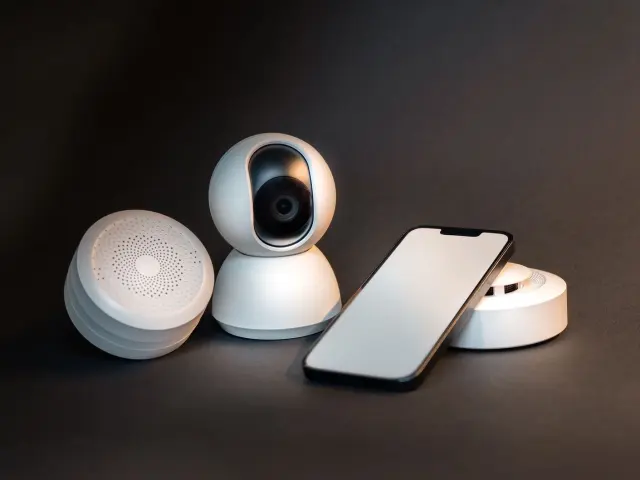
The Internet of Things (IoT) connects physical devices to the internet so they can collect, exchange and analyze real-time data. Smartwatches and smart homes are the familiar cases, and the Jain University guide also lists industrial equipment monitoring and remote healthcare and patient monitoring. A good next step is what is the internet of things.
Blockchain, biotechnology, robotics and energy
Blockchain is a decentralized digital ledger that securely records transactions across multiple computers, ensuring transparency, security and immutability, according to the Jain University guide. Cryptocurrency transactions and smart contracts are the best-known uses. Supply chain traceability is another application it names.
Biotechnology applies biological systems, living organisms and genetic engineering techniques to develop products for healthcare, agriculture and environmental sustainability. Vaccines and genetic testing are the everyday examples in the Simplilearn overview. The Jain University guide adds gene editing, drug development and crop improvement.
Robotics and automation use intelligent machines and software to perform repetitive, dangerous or precision-based tasks. Applications include manufacturing and assembly line automation, warehouse and logistics operations, and robotic-assisted surgeries. Software robots, known as RPA, belong in this group too.
The RemNote guide adds energy technology, which focuses on generating, storing and delivering power. Emerging examples it lists include solar panels, wind turbines, battery systems and nuclear fusion research. To understand the storage piece, read how do batteries work.

How the types of technology overlap
Real problems rarely fit one box. According to RemNote, bioinformatics merges biology with information and communication technology, using computers to analyze massive amounts of genetic data. A modern solar farm likewise uses computer networks to optimize power generation.
You can see the same overlap in daily life:
- A smartwatch combines IoT sensors, communication networks and cloud storage.
- A banking app relies on IT systems, cybersecurity and AI fraud detection.
- A hospital mixes IT records, biotechnology and robotic-assisted surgery.
That is why choosing tools is rarely about a single category. If you want the workplace angle, see technology in business for how organizations weigh these options.
How a technology goes from invention to everyday use
Technologies do not simply appear and transform society overnight. RemNote describes stages of development:
- Invention: the creation of a novel idea or device that did not previously exist.
- Diffusion: how an invention spreads through societies and becomes widely used.
- Impact: the broader changes a technology brings to economies, societies and the environment.
The internet is RemNote’s main example. It was invented in the 1960s as a research network, and diffusion accelerated dramatically in the 1990s with the World Wide Web, user-friendly browsers and commercial internet service providers. The printing press, invented in the 15th century, made books affordable to ordinary people in a similar way.
Impact can cut both ways. Antibiotics saved countless lives, yet overuse has created antibiotic-resistant bacteria, which RemNote says now pose a serious public health threat. Some technologies also fade when better alternatives emerge, like vinyl records replaced by digital music.
If you are curious how a new idea differs from a useful one, read what is innovation.
Frequently asked questions
What are the main types of technology?
Show answer
Simplilearn groups them by purpose: information technology, artificial intelligence, communication, cloud computing, cybersecurity, IoT, blockchain, biotechnology, and robotics and automation. The Jain University guide also adds data science, financial technology, medical technology and renewable energy.
Do the types of technology work together?
Show answer
Yes. Simplilearn says most technology types often work together, and RemNote gives bioinformatics as a case where biology and computing combine.
Is technology only computers and gadgets?
Show answer
No. RemNote says technology covers everything from simple hand tools to complex industrial systems. What unites it is that it applies knowledge to design practical solutions.
What is the difference between invention and diffusion?
Show answer
Invention is the creation of a new idea or device. Diffusion is the later phase in which it spreads through societies and becomes widely used.